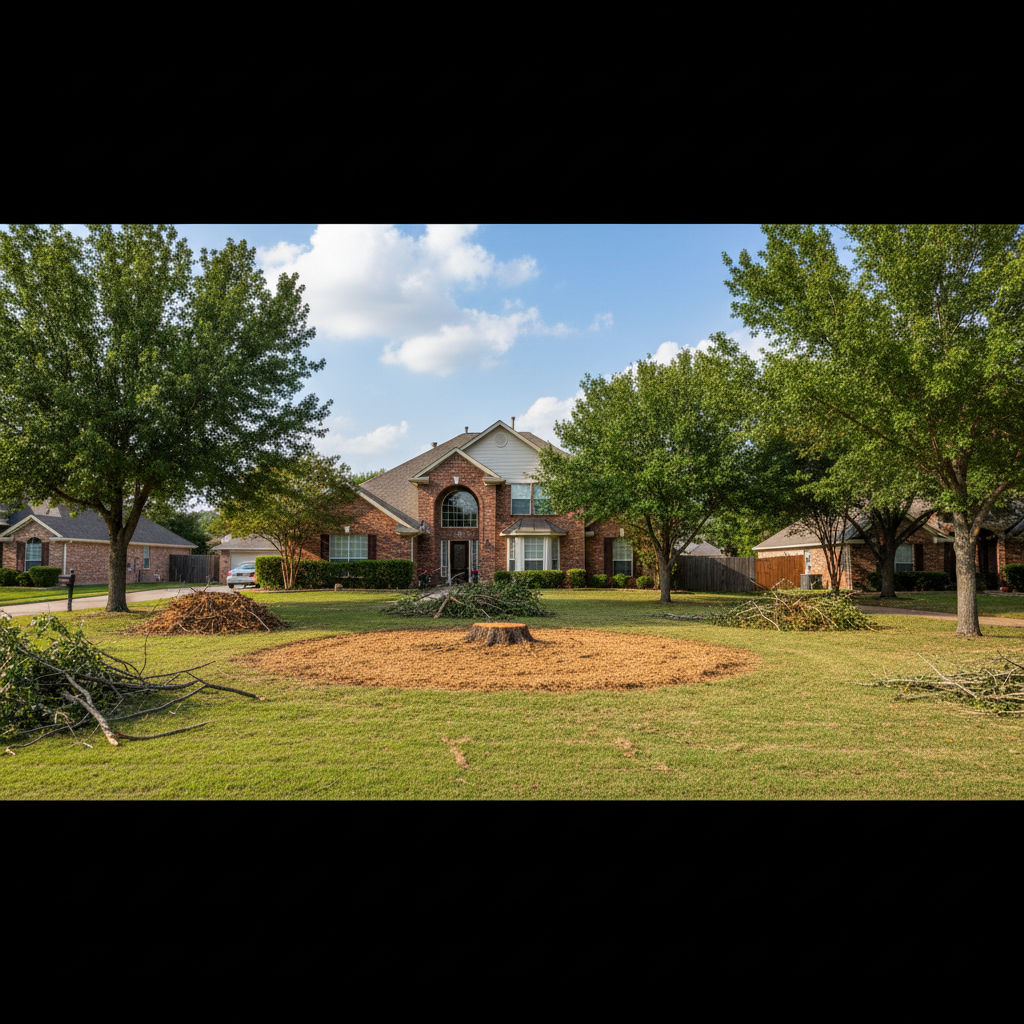
So, a storm just rolled through Kyle, or maybe that old oak finally decided to give up the ghost, and now you've got a tree where it shouldn't be. It's a stressful situation, I know. You're probably thinking, "What now?" Let's walk through what a typical emergency tree removal project looks like, from that first frantic call to the final cleanup.
The Immediate Aftermath: What to Expect First
When you call us for an emergency, you're usually dealing with a tree that's fallen on your house, car, fence, or is otherwise blocking access or posing an immediate danger. The first thing we do is assess the situation. This usually means getting eyes on the tree as quickly as possible. Sometimes, we can do a lot with photos and a good description over the phone, but often, especially with complex situations like a tree on a roof, we need to be there in person.
Our priority is safety – yours, your property's, and our crew's. We'll look at things like:
- Is the tree still stable, or could it shift further?
- Are there power lines involved? This is a huge one. If so, we'll coordinate with the power company. Never, ever touch a tree that's touching power lines.
- What's the best way to access the tree without causing more damage?
- What equipment will we need? Cranes, specialized rigging, bucket trucks – it all depends on the tree's size and location.
Once we've got a plan, we'll give you an estimate. Emergency work is often more expensive than planned removals because it's urgent, dangerous, and often requires specialized equipment and a rapid response. Don't be surprised by that; it's the nature of the beast.
Timeline: How Fast Can This Happen?
For a true emergency, we aim to get to you as fast as humanly possible. That might be within hours, especially if it's a hazard. The actual removal process itself can vary wildly. A small, accessible tree might be a few hours. A massive live oak that's split your roof and is tangled in power lines? That could be an all-day affair, or even require multiple days if we're waiting on utility companies or specialized equipment.
Keep in mind, during major storm events, everyone in Kyle is calling for help. We do our best to prioritize based on danger and damage, but there might be a queue. Be patient, but also don't hesitate to call other reputable services if you're not getting a response. Just make sure they're insured and qualified.
Preparing Your Property for the Crew
Once you've got a crew coming, there are a few things you can do to make their job safer and more efficient:
- Clear the area: Move anything valuable or fragile away from the tree's fall zone. That means patio furniture, grills, kids' toys, garden decorations – anything that could get damaged or be in the way.
- Secure pets and kids: This is a construction zone. Keep pets indoors or securely leashed, and make sure children are well away from the work area.
- Point out hazards: Let the crew know about anything hidden, like sprinkler heads, septic tanks, or underground utility lines (if you know where they are).
- Ensure access: Make sure there's a clear path for our trucks and equipment to get as close as possible to the tree. If you've got a narrow driveway or a gate, let us know beforehand.
- Talk to your neighbors: If the tree is close to a property line or might impact their yard, give them a heads-up. It's just good neighborly practice.
We'll handle the heavy lifting, but these steps help us work safely and quickly.
Before You Sign: Questions to Ask
You're in a tough spot, but don't let urgency make you skip due diligence. Before you agree to anything, make sure you ask these questions:
- Are you fully insured? This isn't just about general liability; you need to know they have workers' compensation too. If a worker gets hurt on your property and they don't have it, you could be liable. Ask for proof of insurance and call the provider to verify.
- What's included in the price? Does it cover just cutting the tree off the house, or does it include full removal and haul-away of all debris? What about stump grinding? Get it in writing.
- How will you protect my property? Ask about their plan to minimize damage to your lawn, landscaping, and structures during the removal. Sometimes, especially with our heavy clay soil here in Kyle after a rain, equipment can leave ruts. Discuss how they'll address that.
- What's the payment schedule? Do they require a deposit? When is the final payment due? Be wary of anyone asking for full payment upfront for emergency work.
- Do you have references? Even in an emergency, a reputable company like Kyle Tree Service should be able to provide references or point you to online reviews.
Getting these answers upfront can save you a lot of headache and heartache down the road. An emergency tree removal is never fun, but with a little planning and the right crew, you can get your property back to normal safely and efficiently.