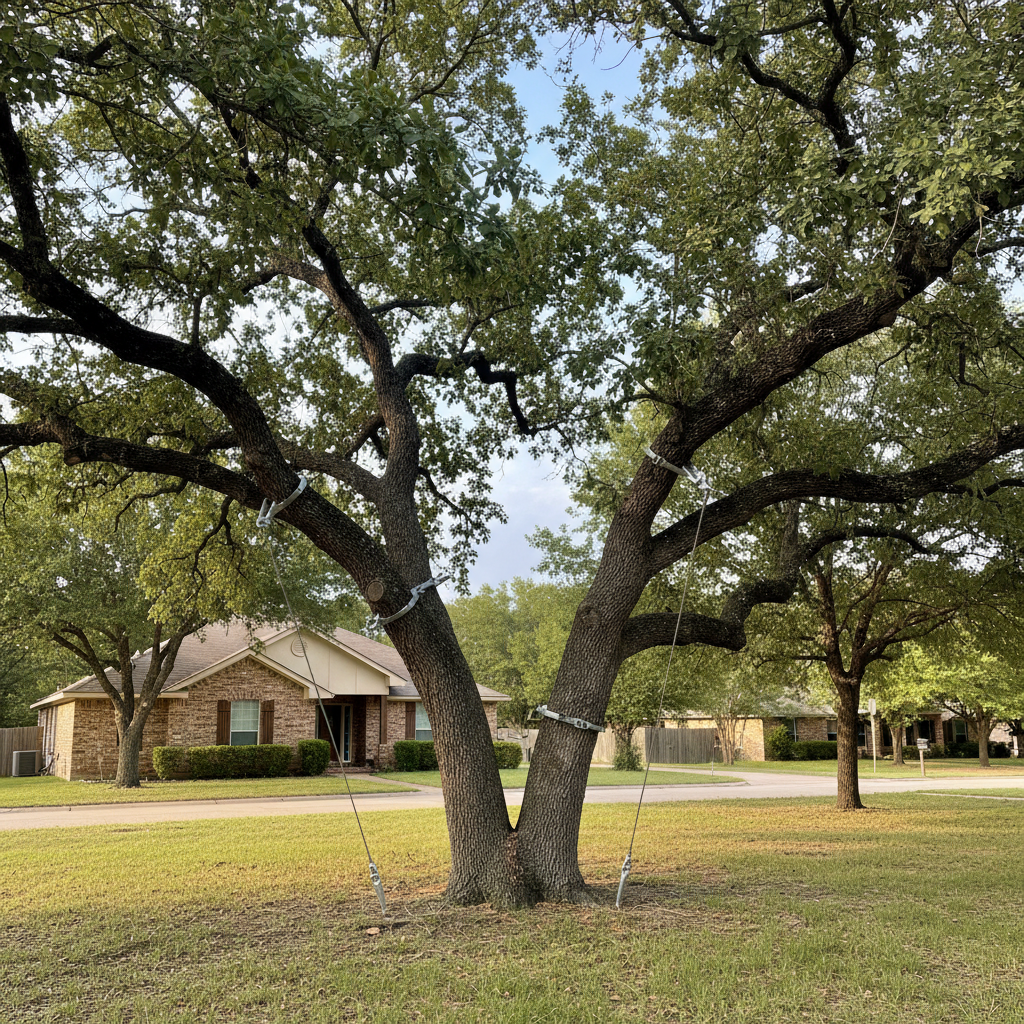
So, you've got a tree that needs some attention. Maybe it's overgrown, leaning a bit too close to your house, or just looking a little sad. Whatever the reason, you know you need to call in the pros. But how do you pick the right one? It's not as simple as just grabbing the first name you see online. You're inviting someone onto your property, often with heavy equipment and dangerous tools. You need to be smart about who you hire.
Questions to Ask Every Tree Service Contractor
When someone comes out to give you an estimate, don't be shy. You're interviewing them for a job. Here's what I'd want to know if I were in your shoes:
- Are you insured, and can you prove it? This is non-negotiable. They need general liability insurance to cover property damage and workers' compensation for their crew. If they can't provide a certificate of insurance directly from their insurer, walk away. A lot of folks just say "yes, we're insured" but don't actually carry the right policies.
- Are you licensed? In Texas, there isn't a statewide licensing requirement for tree services, which can make things tricky. However, some cities might have their own permits or business licenses. More importantly, ask if they have any certifications like an ISA Certified Arborist on staff. That tells you they're serious about tree health, not just chopping branches.
- What's your experience with trees like mine? Different trees require different care. A live oak, for instance, needs a very specific pruning approach compared to a pecan or a Bradford pear. You want someone who knows the local flora.
- How will you protect my property? This is huge. Are they going to lay down mats for their equipment? How will they handle falling branches near your fence, house, or that prize-winning rose bush? Get specifics.
- What's your clean-up process? You don't want to be left with a yard full of sawdust and branches. Make sure they're going to haul away all debris and leave your property tidy.
- Can you provide references? A reputable company should have no problem giving you a few names and numbers of past clients.
What to Look For in a Quote
You'll probably get a few different quotes, and they won't all be the same. Don't just pick the cheapest one. Here's what a good quote should include:
- Detailed Scope of Work: It should clearly describe exactly what they're going to do. "Trim tree" isn't good enough. It should say something like "Prune deadwood and crossing branches from 2 live oaks, removing up to 25% of canopy, with all cuts made to ISA standards."
- Itemized Costs: If there are multiple trees or services (like stump grinding), you want to see a breakdown.
- Timeline: When do they expect to start and finish the job?
- Proof of Insurance: Again, they should be offering this up front, or at least be ready to send it over.
- Payment Schedule: Reputable companies usually don't ask for 100% upfront. A deposit is common, with the remainder due upon completion.
Watch out for quotes that are super vague or just a number scribbled on a napkin. That's a red flag.
Red Flags to Watch Out For
I've seen my share of bad actors in this business. Here are some things that should make you hit the brakes:
- Door-to-door solicitations: Be wary of anyone knocking on your door unsolicited, especially after a storm. They might be storm chasers looking for quick cash, not quality work.
- Cash-only demands: If they only accept cash, that's a huge warning sign. It often means they're trying to avoid taxes and probably don't have proper insurance or business practices.
- No insurance proof: Already mentioned it, but it bears repeating. No proof, no hire.
- High-pressure sales tactics: "I can do it right now for this price, but it'll go up tomorrow!" That's a scammer trying to rush you into a bad decision.
- Lack of proper equipment: If they show up with a beat-up pickup truck, a rusty chainsaw, and no safety gear, they're not professionals. Tree work is dangerous and requires specialized equipment.
- Topping trees: If they suggest "topping" your trees (cutting off the tops of main branches), run. That's terrible for the tree's health and can lead to dangerous regrowth. A good arborist will never recommend it.
Verifying Legitimacy
Before you sign anything or hand over money, do your homework. It takes five minutes and can save you a world of headaches.
- Check online reviews: Look at Google, Yelp, and other local review sites. Don't just look at the star rating; read the actual comments.
- Verify insurance: Call the insurance company directly using the number on the certificate they provide. Don't just trust the paper.
- Look them up with the Better Business Bureau (BBB): See if they have a profile and if there are any complaints.
- Ask for their physical address: A legitimate business will have a physical location, even if it's just an office. Be suspicious of P.O. boxes or just a cell phone number.
- Confirm their ISA certification: If they claim to have an ISA Certified Arborist, you can verify it on the ISA website.
Here at Kyle Tree Service, we pride ourselves on being upfront and transparent with all our clients. We know the unique challenges our local trees face, especially with our clay soils and those hot Texas summers. We're always happy to answer any questions you have and provide all the documentation you need to feel comfortable. Don't take chances with your property or your safety. Do your due diligence, ask the tough questions, and you'll find a reputable tree service that'll do the job right.