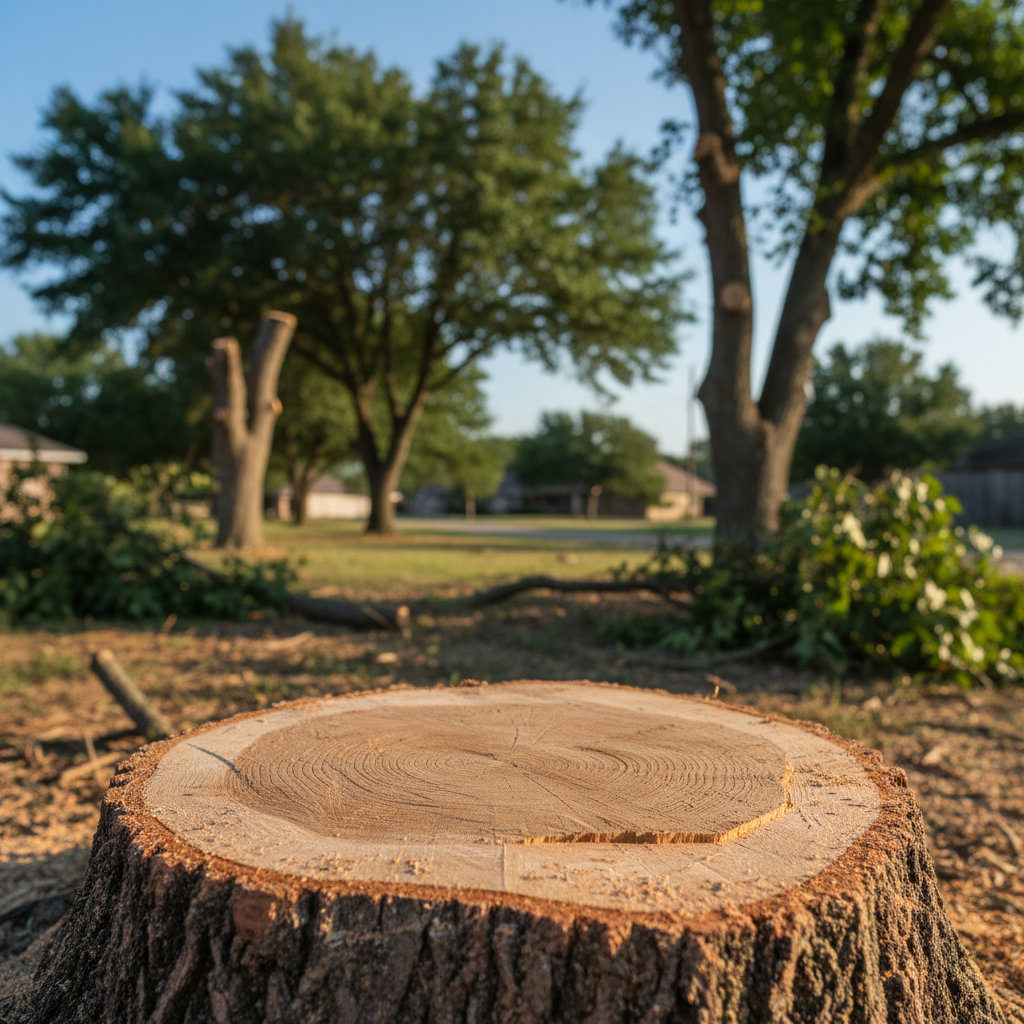
Alright, let's talk tree trimming. I get a lot of the same questions from folks around Kyle, and that's totally understandable. You want to make sure your trees are healthy, safe, and looking good, but it's not always clear what needs to be done or when. So, I figured I'd put together some straight answers to the most common stuff I hear. No fluff, just what you need to know.
When's the best time to trim my trees in Kyle?
This is probably the most common question I get, and for good reason. Generally, the dormant season – late fall and winter – is ideal for most major trimming. Why? Well, the trees are asleep, so to speak. There's no foliage to get in the way, making it easier to see the branch structure and make good cuts. Plus, pests and diseases are less active, reducing the risk of infection. When spring hits, the tree can put all its energy into healing those cuts and pushing out new growth.
Now, that's for heavy structural pruning. If you've got a dead or hazardous branch, that needs to come off whenever you spot it, regardless of the season. Safety first, always. And some trees, like oaks, have specific windows. We're always careful with oak wilt here in Central Texas, so we avoid pruning oaks from February through June when the beetles that spread the disease are most active. If an oak absolutely has to be cut during that time, we'll seal the wounds immediately. It's a big deal around here.
How often should I have my trees trimmed?
It really depends on the tree, its age, and what you're trying to achieve. For young trees, I recommend trimming every 2-3 years to help establish a strong structure. This prevents problems down the road. Mature trees, those big beautiful ones that give us so much shade, usually benefit from a good trim every 3-5 years. This helps maintain their health, removes dead or crossing branches, and keeps them from getting too dense.
Some fast-growing species might need more frequent attention, especially if they're close to your house or power lines. And if you've got fruit trees, that's a whole different ballgame – they often need annual pruning for optimal fruit production. The key is regular inspection. If you see dead wood, branches rubbing, or limbs getting too close to your roof, it's probably time to call us.
What's the difference between trimming, pruning, and thinning?
Honestly, a lot of folks use these terms interchangeably, and that's fine for everyday talk. But in the tree service world, they mean slightly different things.
- Trimming is the most general term. It usually refers to cutting back overgrown branches for aesthetic reasons or to keep them away from structures.
- Pruning is more specific and goal-oriented. It's about removing branches for the health, safety, or structural integrity of the tree. Think removing dead, diseased, or damaged limbs, or shaping the tree for better growth.
- Thinning is a type of pruning where we selectively remove interior branches to increase light penetration and air circulation through the canopy. This is great for reducing wind resistance, which is a big deal when we get those strong Texas storms, and it helps prevent certain diseases by keeping the tree drier.
Ultimately, when you call Kyle Tree Service, we'll assess your trees and recommend the specific type of work they need, whether it's a general trim or more targeted structural pruning.
Will trimming hurt my tree?
Done correctly, no, trimming won't hurt your tree. In fact, it's essential for its long-term health and vigor. Think of it like going to the doctor for a check-up. We're removing dead or diseased parts, improving air circulation, and guiding its growth in a healthy direction.
However, improper trimming can absolutely damage a tree. Things like 'topping' (cutting off the entire top of a tree) or making flush cuts that damage the branch collar are really bad news. They stress the tree, make it susceptible to disease and pests, and can lead to dangerous, weak regrowth. That's why hiring a professional who understands tree biology is so important. We know where to cut and how much to remove to promote healing and healthy growth.
How much does tree trimming cost in Kyle?
This is where it gets tricky because there's no one-size-fits-all answer. The cost of tree trimming varies a lot depending on several factors:
- Tree size: A small ornamental tree is obviously cheaper to trim than a massive live oak that's 50 feet tall.
- Tree type: Some trees have denser canopies or more complex growth patterns that require more time and specialized equipment.
- Condition of the tree: If a tree is heavily overgrown, diseased, or has a lot of dead wood, it will take more effort to safely trim.
- Accessibility: If the tree is in a tight spot, over a house, or near power lines, it requires more advanced rigging and safety precautions, which adds to the cost.
- Location: While we're all about Kyle, if your tree is way out in a rural area with difficult access, that might be a factor.
The best way to get an accurate quote is to have us come out and take a look. We'll give you a free, no-obligation estimate and explain exactly what needs to be done.
Do I need a permit to trim my trees in Kyle?
For most routine trimming on your own property, you won't need a permit. You're generally free to maintain your trees as long as they're not protected. However, if you're planning to remove a tree, or if it's a very large, significant tree, or if it's located in a specific protected area (like a floodplain or a designated conservation area), then you might need one. The City of Kyle has ordinances about tree removal, especially for heritage trees or those above a certain caliper size. It's always a good idea to check with the City of Kyle's planning or public works department if you're unsure, especially before removing a large tree. We can also help you figure that out when we come for an estimate.
Look, taking care of your trees is an investment in your property and the environment. Done right, it keeps them healthy and beautiful for years. If you've got more questions or want to get an estimate for your trees, just give us a call at Kyle Tree Service. We're here to help.