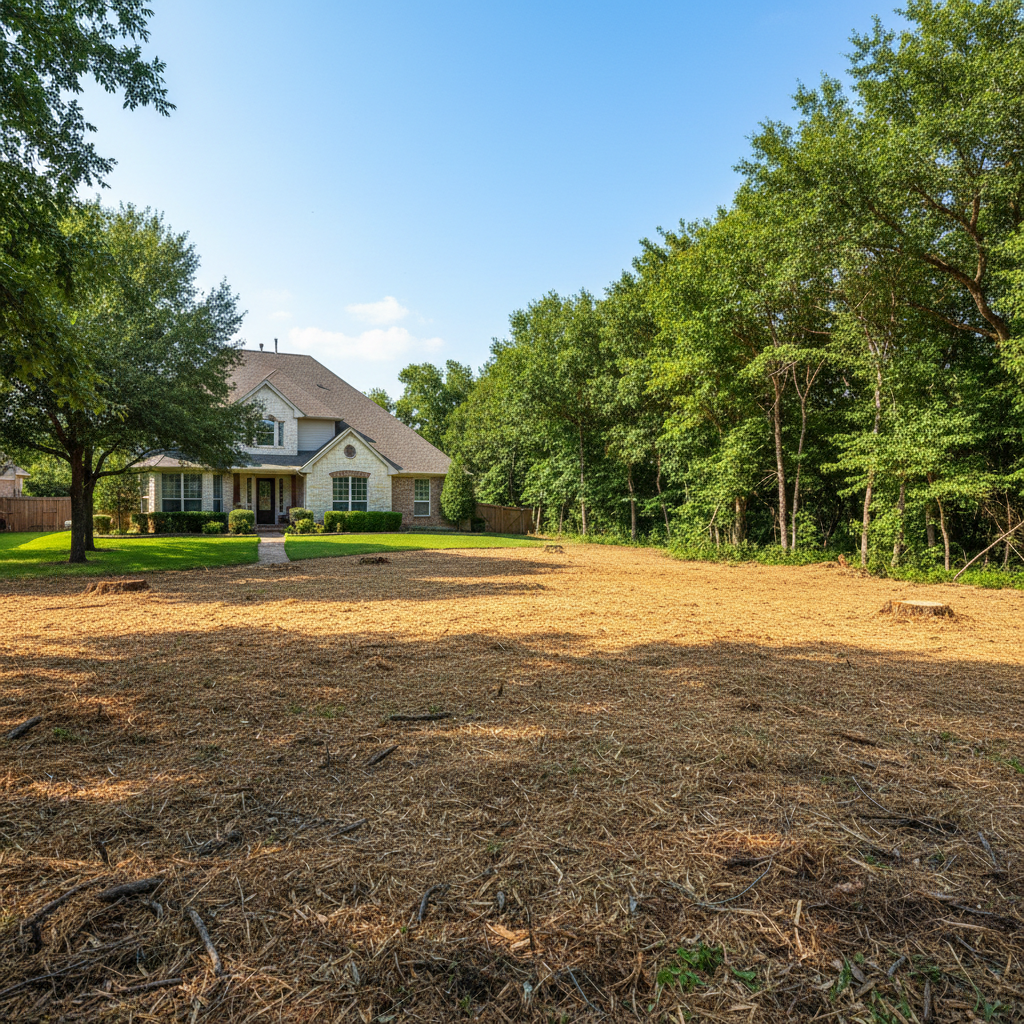
You're looking at a piece of land, maybe a new build site, or just want to reclaim some overgrown acreage. Lot clearing isn't just about knocking down trees; it's a strategic move, especially here in Kyle, TX. Getting the timing right and understanding our local climate can save you a lot of headache and money.
When's the Best Time for Lot Clearing in Kyle?
Honestly, you can clear land pretty much any time of year, but some seasons are definitely better than others for specific reasons. I've seen folks try to do it in the dead of summer, and while it's doable, it's not ideal for the crew or the equipment.
- Winter (December - February): This is often my top recommendation. The ground is usually drier, especially after a few cold fronts. Deciduous trees have dropped their leaves, making it easier to see the structure of the woods and identify exactly what needs to go. Plus, without all the foliage, cleanup is often simpler. You're also less likely to run into issues with nesting birds or other wildlife that might be protected during breeding seasons.
- Late Fall (October - November): Another great window. Temperatures are cooler, and the ground is typically firm. You're past the peak heat, but before the really cold snaps. It's a good balance.
- Early Spring (March - April): This can work, but you have to be careful. We often get a lot of rain in early spring, and wet ground can turn a lot clearing job into a muddy mess. Heavy equipment can cause more compaction and rutting, which you definitely want to avoid if you're planning on building or landscaping soon after. If it's been a dry spring, go for it. If not, you might want to hold off.
- Summer (May - September): I generally advise against summer if you can help it. The heat is brutal for the crew, which can slow things down. Everything's in full leaf, making it harder to see what you're doing, and the undergrowth is at its thickest. Plus, if we get those pop-up thunderstorms, the ground can get saturated quickly. It's not impossible, but it's usually more challenging and potentially more expensive due to the conditions.
How Kyle's Weather Affects the Work
Our Central Texas weather isn't just about temperature; it's about what that means for the ground. We've got that heavy, expansive clay soil around here, especially in areas like Plum Creek. When it's wet, it's like working in quicksand. When it's dry, it can be hard as concrete. This directly impacts how we operate.
- Rain: A little rain isn't a problem, but consistent heavy downpours can halt a project. We need the ground to be firm enough to support heavy machinery without getting stuck or causing excessive damage. If the site turns into a bog, we'll have to pause until it dries out. This isn't just about convenience; it's about safety and protecting your property from unnecessary rutting.
- Drought: On the flip side, prolonged drought can make the ground incredibly hard. This isn't usually a showstopper for clearing, but it can make stump removal a bit more challenging. Dust can also be a factor, but we manage that.
- Wind: High winds, especially during the clearing of taller trees, can be a safety concern. We'll always prioritize safety, and if winds are too strong, we might have to delay certain parts of the work.
Protecting Your Investment Year-Round
Once your land is cleared, the work isn't over if you want to keep it that way. Nature doesn't take a break, especially not here. Here's what I tell folks:
- Regular Mowing/Brush Hogging: This is your best friend. Keeping the new growth down prevents it from getting established. If you let it go for even a year or two, you'll be back to square one with saplings and thick brush.
- Herbicide Application (Strategic): For stubborn invasives or areas you want to keep completely clear, a targeted herbicide application can be effective. This isn't about dousing the whole property, but spot-treating problem areas. Talk to a pro about what's safe and effective for your specific needs.
- Drainage Management: After clearing, pay attention to how water moves across your property. Clearing can change runoff patterns. You don't want erosion or standing water, so make sure any new grading or existing slopes are working for you, not against you.
- Fire Prevention: Especially in our dry seasons, cleared land can still have dry grasses and brush that are fire hazards. Keep a defensible space around any structures. Regular maintenance helps here too.
Lot clearing is a big job, and it's an investment in your property. By understanding the best times to schedule, what our local Kyle weather means for the process, and how to maintain your land afterward, you'll get the most out of it. If you've got questions about a specific property or need a hand, don't hesitate to give Kyle Tree Service a call. We're always happy to talk through your options.