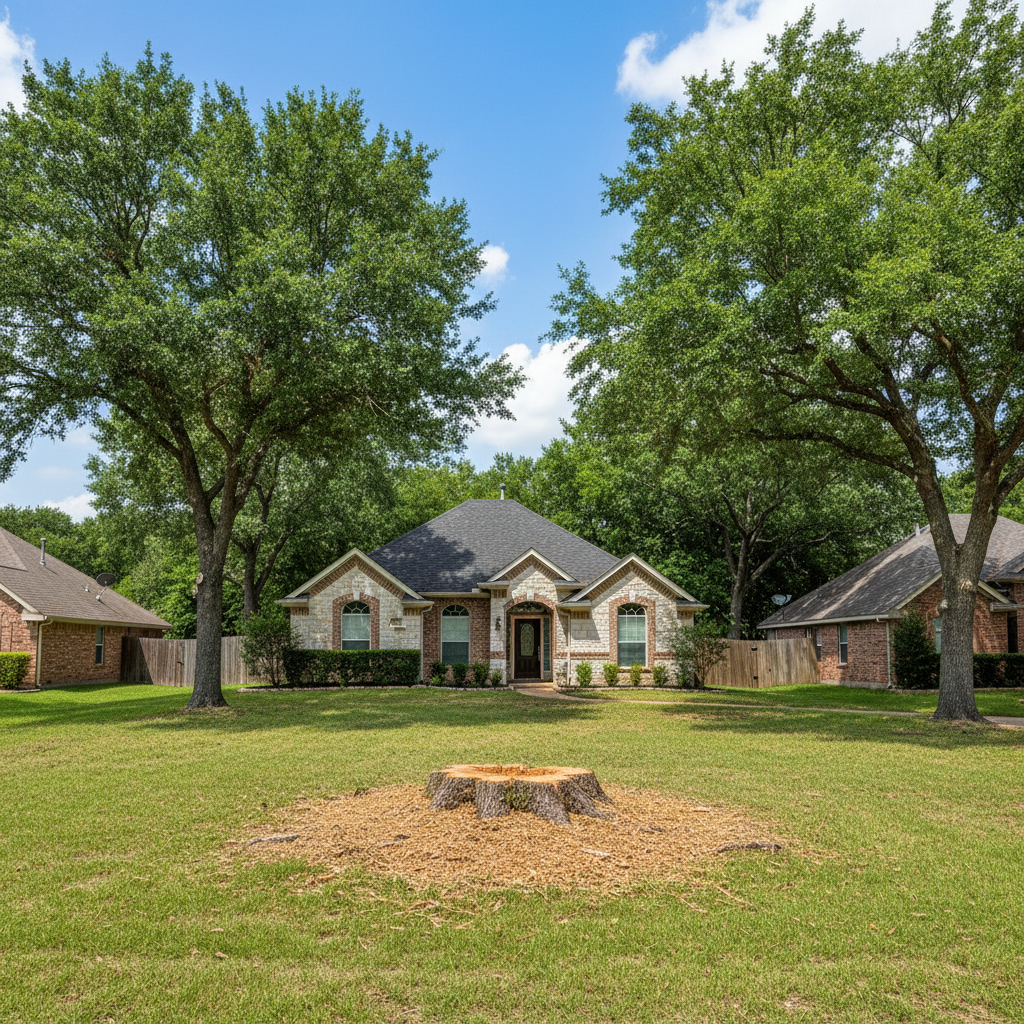
A tree's down on your property, maybe on your roof, blocking your driveway, or just a massive mess after a storm. What do you do? Panic? No, you call someone who knows what they're doing. Emergency tree removal isn't just about cutting wood; it's about safety, speed, and knowing the local conditions.
Why Emergency Tree Removal is Different Here in Kyle
You might think a fallen tree is a fallen tree, no matter where you are. But here in Kyle, we've got our own unique challenges. Think about those sudden, violent thunderstorms we get, especially in spring and summer. They roll in fast, drop a ton of rain, and bring high winds. Those winds can turn an already compromised tree into a missile or a massive roadblock.
Then there's our soil. We've got a lot of expansive clay soil around here, especially in neighborhoods like Plum Creek or even out towards the newer developments off Kohlers Crossing. When it's dry, it's hard as a rock. When it gets saturated from those heavy rains, it can become soft and unstable. A tree that looked perfectly healthy might have a root system that's just not getting the grip it needs, especially if it's leaning a bit or has a heavy canopy. That's when you see those big, mature oaks or pecans just uprooting completely, sometimes taking a chunk of your yard with them.
What Makes a Tree an 'Emergency'?
It's not just about a tree falling over. An emergency means there's an immediate hazard. Here's what I consider an emergency:
- It's on your house or another structure: Obvious one, right? This is a priority. The weight alone can cause more damage over time, and you need to get it off safely without causing more problems.
- It's blocking a critical access point: Your driveway, a public road, or a path to your front door. You need to be able to get in and out, and emergency services might need access too.
- It's leaning precariously: If a tree is split, cracked, or leaning heavily towards your home, power lines, or a neighbor's property, it's a ticking time bomb. High winds or more rain could bring it down completely.
- It's tangled in power lines: This is a huge one. Never, ever try to handle this yourself. Call the power company immediately, and then call a professional tree service. Electricity is no joke.
- It's causing an immediate safety hazard: Maybe it's blocking a walking path where kids play, or it's created sharp, jagged branches at head height.
If it's just a branch that fell in your yard and isn't hurting anything, that's usually not an emergency. We can schedule that for regular removal. But if there's any doubt, call us. Better safe than sorry.
Why Local Expertise Matters for Emergency Jobs
When you're dealing with a crisis, you don't want some crew from out of town who doesn't know the lay of the land. A local team, like us at Kyle Tree Service, knows what we're up against.
- We know the trees: We understand the common tree species in Kyle – the oaks, pecans, hackberries – and how they typically fail under stress.
- We know the terrain: We're familiar with the soil conditions, the drainage patterns, and how that affects tree stability and removal logistics.
- We know the neighborhoods: We've worked in older areas with mature trees and tighter spaces, and newer developments with different landscaping challenges. We know the best access points, how to protect your lawn, and how to navigate around existing structures.
- We're here: When you call Kyle Tree Service for an emergency, you're getting someone who's already in the area. We can often get to you faster than a company from Austin or San Antonio, and speed is crucial in an emergency. We're part of this community, and we care about getting our neighbors out of a bind.
- Permits and Regulations: While most emergency removals don't require immediate permits, knowing the local rules for cleanup and disposal helps.
What to Do When a Tree Falls
First, make sure everyone is safe. Get away from the immediate area if there's any danger. If power lines are involved, stay far away and call the utility company. Then, give us a call. Don't try to be a hero with a chainsaw if you're not experienced. Emergency tree removal often involves heavy equipment, specialized rigging, and a whole lot of experience to do it safely and without causing more damage to your property.
We'll assess the situation, figure out the safest way to remove the tree or branches, and get it done efficiently. Your peace of mind is what we're aiming for.
After the Storm: Don't Wait for the Next One
Once the immediate danger is cleared, it's a good idea to have us come back and check your other trees. A storm that took down one tree might have weakened others. We can spot potential problems – cracks, dead branches, signs of disease – and address them before they become another emergency. Proactive care is always cheaper and safer than reactive removal.